
4W/m·K thermal conductive silicone gasket
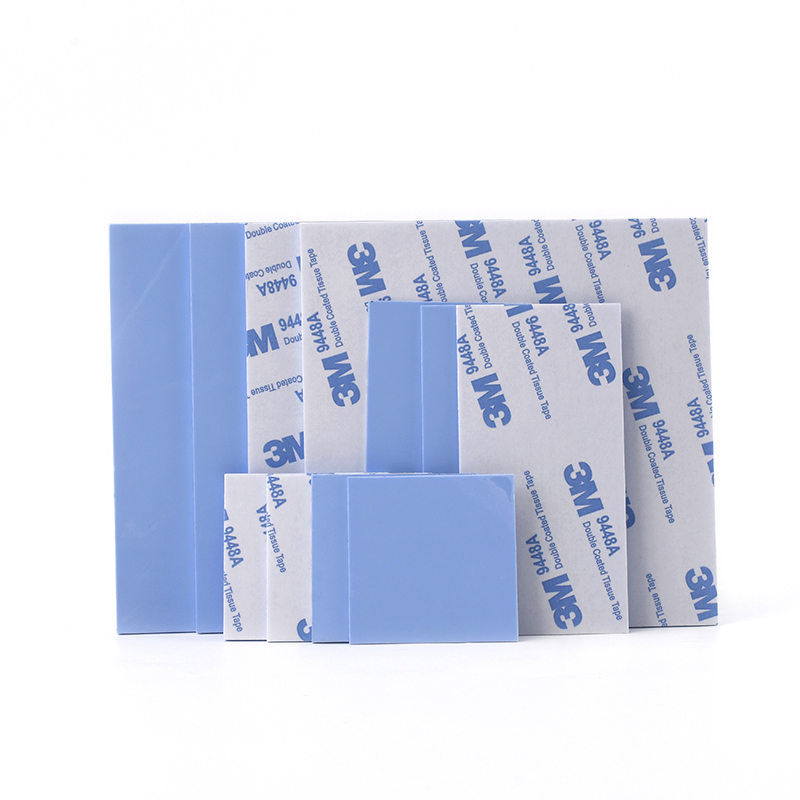
4W/m·K thermal conductive silicone gaskets feature thermal conductivity, insulation, softness, compression, and shock-absorbing gap filling. They are available without adhesive, single-sided adhesive, or double-sided adhesive, and support die-cutting customization by size, thickness, and shape.
Thermal conduction and insulation
Thermal silicone gaskets are used to fill the tiny gaps between the heating device and the heat sink, helping heat transfer more stably to the heat dissipation components. The image of this model shows a thermal conductivity of 4W/m·K, and it features electrical insulation, soft compressibility, and shock absorption, making it suitable for bonding irregular contact surfaces.
Common specifications
- Common thicknesses include 0.5mm, 1mm, 1.5mm, and 2mm; other thicknesses can be confirmed according to requirements.
- Display sizes include 40×40mm, 40×80mm, 100×100mm, 200×200mm, and can also be die-cut according to drawings, chips, or radiator structures.
- Available options include non-adhesive micro-adhesive versions, single-sided high-adhesive versions, and double-sided high-adhesive versions.
- The upper and lower surfaces of finished products can be covered with protective films, making transportation, cutting, and assembly easier.
Scope of application
- Graphics cards, video memory, CPU peripherals, north-south bridge chips, memory modules, and IC components.
- High-speed hard drive drivers, power modules, miniature heat pipe radiators, and high-power power supplies.
- LED lighting, home appliances, automotive electronics, and other electronic components requiring thermal insulation.
Installation method
- Clean the surface of the substrate and the radiator to remove dust and grease, and keep it dry.
- First, peel off one side of the protective film; do not peel off both sides at the same time to reduce contamination of the bonded surface.
- Attach the gasket to the device or heat sink, applying even pressure to ensure stable contact.
- Before installing the radiator, peel off the other protective film and make sure the gasket fully covers the target area.
Model selection and customization
When selecting a model, confirm thermal conductivity, thickness, compression amount, insulation requirements, adhesive backing method, operating temperature, and assembly clearance. For high thermal flux density devices such as CPUs, the silicone pad or thermal paste solution should be evaluated based on the overall heat dissipation structure, and it is recommended to conduct sample testing first.
Get a quote plan
Just state your usage scenario and we can provide you with a quote! Thank you for your cooperation!