
Dual-frequency cards, dual-frequency card manufacturing, dual-frequency card manufacturers, composite dual-frequency cards
A dual-frequency card refers to two different frequency bands of chips packaged on a single card: low-frequency 125KHz, high-frequency 13.56MHz, and ultra-high frequency 860MHz-960MHz. Dual-frequency cards package cards from any two frequency bands together, such as high-frequency and ultra-high-frequency packages, allowing for secure recognition both at close and long-distance ranges, with a current distance of about 6 meters.
.jpg)
Introduction to dual-band cards
A dual-frequency card refers to two different frequency bands of chips packaged on a single card: low-frequency 125KHz, high-frequency 13.56MHz, and ultra-high frequency 860MHz-960MHz. Dual-frequency cards package cards from any two frequency bands together, such as high-frequency and ultra-high-frequency packages, allowing for secure recognition both at close and long-distance ranges, with a current distance of about 6 meters.
Features of dual-band cards
Dual-frequency cards can solve a special technology in certain fields where single-band cards cannot be used. For example, in campus all-in-one cards, government, and government agencies, dual-frequency cards are "multi-purpose," offering both the advantages of magnetic stripe cards and the characteristics of IC cards. This card features a contactless design and allows direct payment via RF mode, featuring safety, convenience, wear resistance, and speed.
Dual-frequency card combination method
1: Ultra-high frequency combined with high-frequency dual-frequency composite card
This dual-frequency card combines UHF (915MHz) + HF (13.56MHz) antennas, both using a highly sensitive etched antenna process. They can be packaged as PVC standard label cards or as inexpensive paper labels.
2: Ultra-high frequency combined with high frequency plus low frequency tri-frequency composite card
This tri-band card cleverly combines antennas from three frequency bands: UHF (915MHz) + HF (13.56MHz) + LF (125KH). A single tag card can operate RFID across three different frequency bands, making it very convenient for users to use and manage.
3: High-frequency and low-frequency dual-band composite card
This dual-band card combines antennas in the HF (13.56MHz) + LF (125KHz) frequency bands and can be made as ISO cards or 1.05mm medium thickness cards and 1.8mm thick cards.
Technical specifications of dual-frequency cards
Operating frequency: 840-960MHz or 13.56M, 840-960MHz or 125K
Operating mode: readable and writable.
Operating mode: passive reflex, with very high read/write sensitivity.
Read/write distance: UHF 0.2-30m, HF3-5cm, LF3-10mm, depending on the antenna size of the tag and reader.
Reading and writing cycles: 100,000 times
Operating temperature: -35°C to 75°C
Storage temperature: -40°C to 80°C
Operating humidity: 0-95%
Packaging material: PVC material.
Antenna materials: PET substrate + aluminum foil antenna, copper wire stranded antenna.
Printing patterns: white card, four-color printing, or screen printing.
Digital printing: flat-panel coding or laser coding.
Product dimensions: Standard 54×85.6×0.8mm, other sizes can be customized.
Dual-band cards comply with protocols
International standard ISO18000-6C (EPCClass1 Gen2) + ISO14443
International standard ISO18000-6C (EPC Collass1 Gen2) + ISO15693
International standard ISO18000-6C (EPCClass1 Gen2) + ISO18000-2
Dual-frequency card manufacturing process
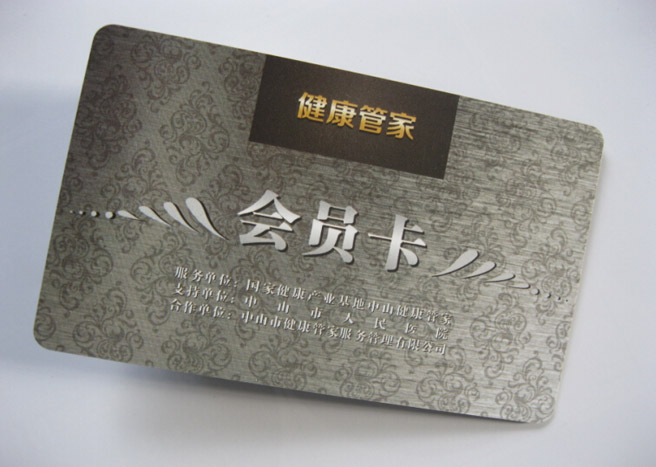
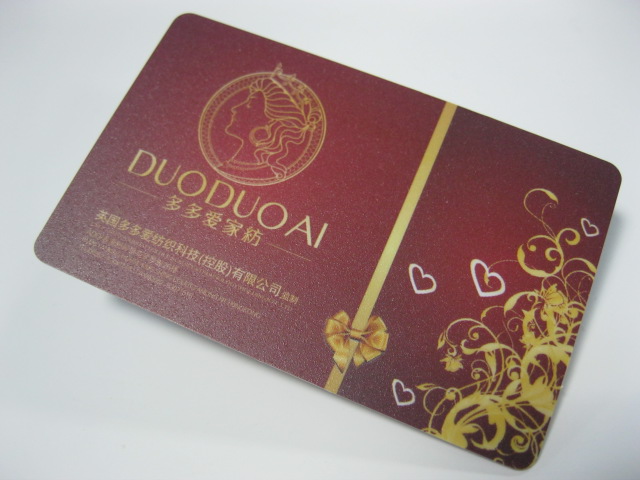
01. The standard size of dual-frequency cards is 85.5mm x 54mm, with rounded corners. It can also be made in other sizes.
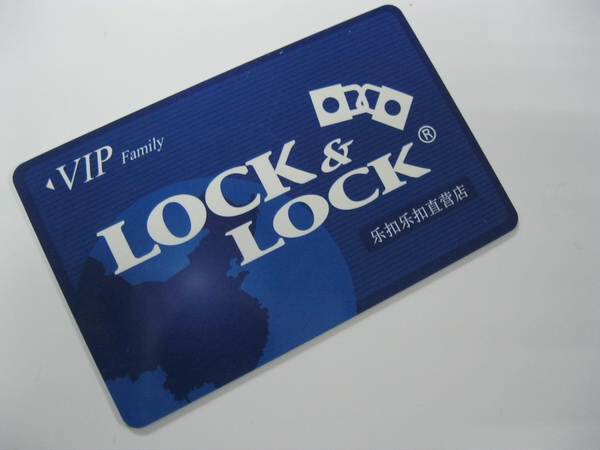
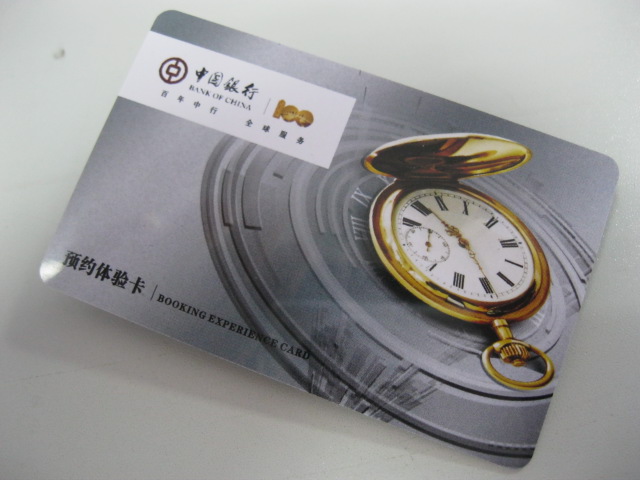
02. Dual-frequency cards can print single-sided or double-sided printing, using screen printing or offset printing (CMYK four-color printing).
03. Each dual-frequency card can be sprayed with different numbers, PIN codes, or text.
04. Dual-frequency cards can add signature strips or writing boards (areas where manual writing is possible).
05. Dual-frequency cards can be equipped with low-density or high-density magnetic strips (three-track magnetic strips) according to customer requirements.
06. Dual-frequency cards can be embossed, with gold or silver stamping on the embossed codes.
07. Round or strip holes can be drilled on dual-frequency cards.
08. Dual-frequency cards can be coded and scratched on shoes (commonly used for recharge cards, phone cards, lottery cards, etc.).
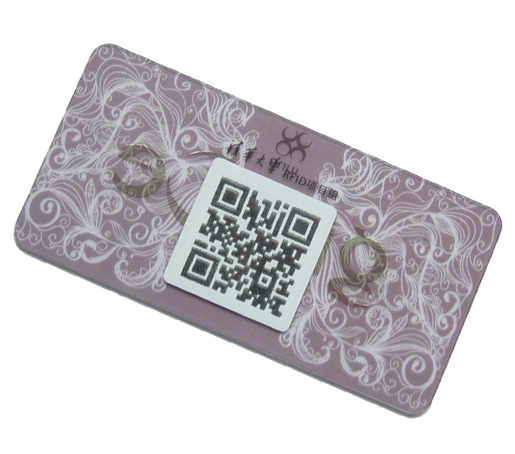
09. Dual-frequency cards can be printed with various types of barcodes.
10. The numbers on dual-frequency cards can be arranged sequentially, or personalized or irregular numbers can be used.
11. Dual-frequency cards can be made into square, round, or any other irregular shapes.
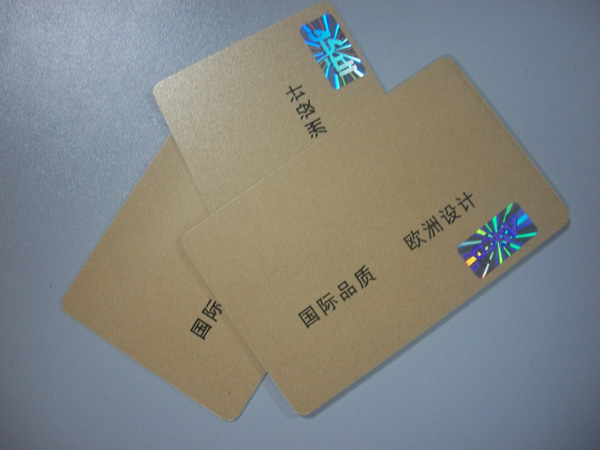
12. The background color of dual-frequency cards can be made in imitation gold or imitation silver.
13. Gold or silver can be stamped on the dual-frequency card.
Our factory specializes in producing dual-frequency cards for various frequency bands, with guaranteed quality and high prices and favorable quantities. We have multiple printing machines, synthesizers, and packaging machines. Quality is our pursuit. We cooperate with manufacturers. If you need dual-frequency cards, please contact us.
Get a quote plan
Just state your usage scenario and we can provide you with a quote! Thank you for your cooperation!