
NFC tags, NFC manufacturers, NFC production
NFC tags are a technology currently introduced for micropayments. Users holding NFC-enabled smartphones can simply swipe an object with NFC tags to complete the payment, eliminating the previous tedious process of logging in accounts and entering passwords
.jpg)
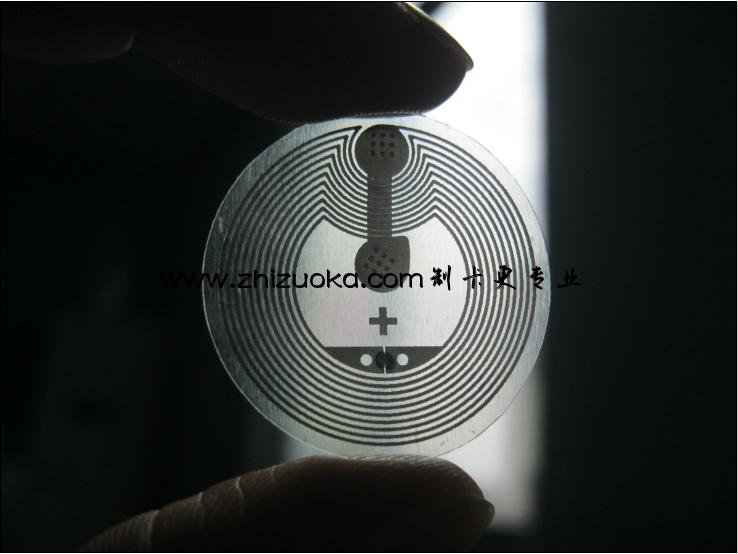
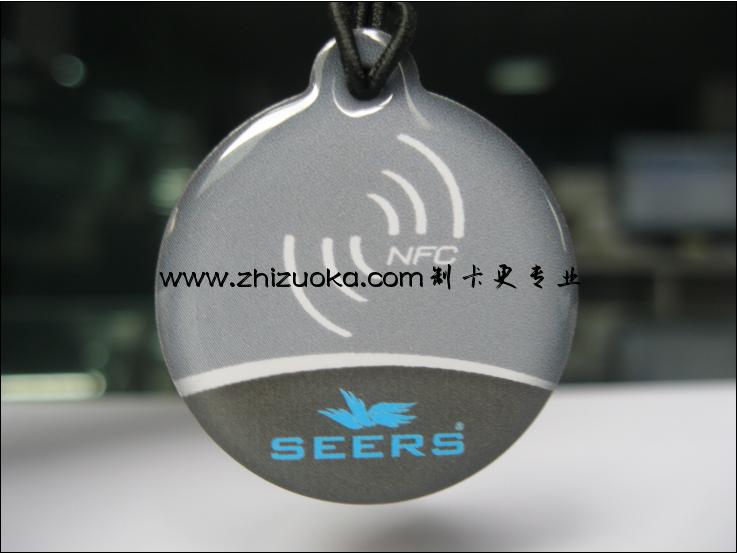
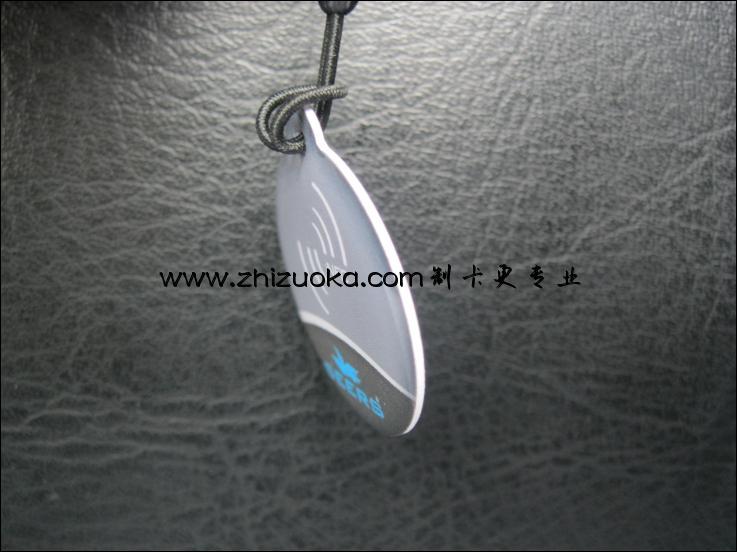
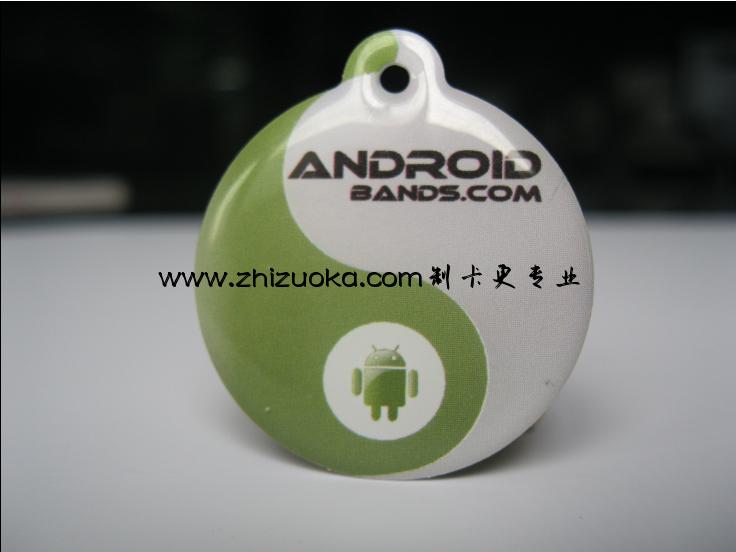
NFCLabel summary
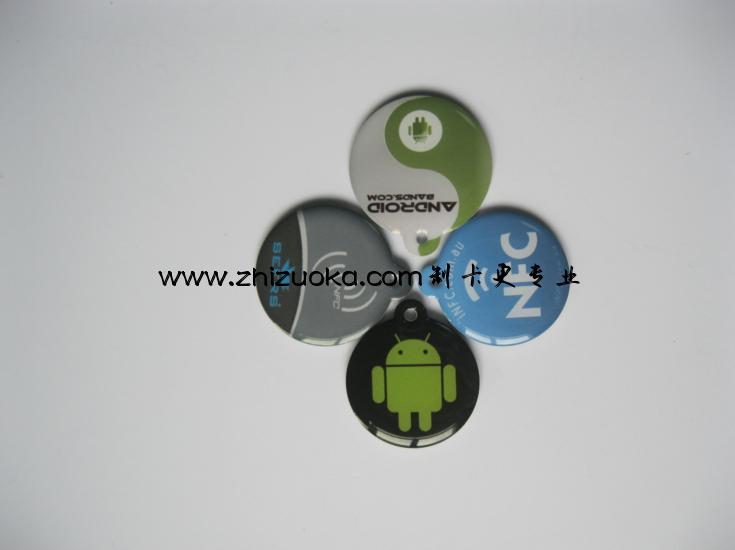
NFCLabeling is currently a technology for micropayments, supported by usersNFCSmartphones with featuresNFCJust swipe the tagged object to complete the payment, eliminating the previous complicated steps of logging in to your account and entering your password.NFCThe tag undergoes several years of internal R&D and near field communication technology,Or something even more familiarNFCTechnology has begun to grow. If you think soNFCIf you only use it for a meal at a restaurant with contactless payment terminals, that's underestimatingNFCLabeled, becauseNFCToday, its applications are already very widespread.
NFCDetailed introduction to the label
Specifications 30*15, 40*25, 35*35, Dia.25/35/45, etc(mm)
Data preservation 10(Year)
Packaging materials PVC/Paper/PET
Storage capacity 512(bits)
Operating temperature -25-55(℃)
Erase the lifespan 100000(times)
Scope of application 3-4cm
Type: Smart card
Reading and writing methods: contactlessICCards
Application areas NFC
Commonly usedNFCThe chips include:ultralight,mifare 1k S50,mifare 1k f08, mifare 4K S70, NXP desfire
NFCUses of electronic tags: access control and attendance, membership management, mobile payments, tickets, subways, buses, and more
NFCLabels and contactless methodsICThe difference between cards
NFCTags are a short-range, high-frequency wireless communication technology that allows contactless point-to-point data transmission (within ten centimeters) to exchange data between electronic devices. This technology is powered by contactless RFID (RFID) and is backward compatibleRFID, originally byPhilips、NokiaAndSonyMainly recommended, mainly used in handheld devices such as mobile phones. Because near-field communication is naturally secure,NFCThe technology is considered to have great application prospects in fields such as mobile payments.
NFC Contactless card readers, contactless cards, and point-to-point (Peer-to-Peer) integrates functions into a single chip, opening countless new opportunities for consumers' lifestyles. This is an open interface platform that enables fast and proactive configuration of wireless networks, and also serves as a virtual connector for existing cellular networks, Bluetooth, and wireless 802.11 Equipment.
NFCIt is an adoption13.56MHzShort-range wireless communication technology for frequency bands. Although the communication distance is only 10cmLeft and right, no
Over-the-pass and non-contact typesICLike card technology, data can be exchanged between different electronic devices with just a tap of the card. Contactless and non-contact methodsICThe cards are not the same,NFCEnables two-way communication. As long as it's supportNFCProducts andICcan read or write data. It can also communicate between portable devices such as mobile phones. Data transfer speeds are not high, but yes106kbit/Seconds,212kbit/Seconds,424kbit/Seconds and848kbit/Four speed options to choose from.
ContactlessICThe card, also known as the radio frequency card, is made ofICThe chip and sensing antenna are all packaged in a standard packagePVCInside the card, there are no exposed parts of the chip or antenna. It is a new technology developed in recent years worldwide, successfully integrating radio frequency identification technology andICBy combining card technology, the problem of passive (no power supply in the card) and contactless operation has been resolved, marking a major breakthrough in the field of electronic devices. Cards within a certain distance range(Usually5—10mm)Close to the reader's surface, data read/write operations are completed through radio wave transmission.
AlthoughNFCLabels and contactless methodsICCards are also operated by "swiping," but in essence, there are significant differences between the two.
NFCSpecified label types
Type 1:Based on thisISO14443A, currently by InnovisionExclusive supply by research and technology companies (TopazTM), possess96ByteDance memory is low-cost and widely used.
Type2: Also based onISO14443A, currently by PhilipsExclusive supply (Mifare UltraLight), memory is1Half of the class tags.
Type3: Based onFeliCa, currently by SonyExclusive supply, with relatively large memory (currently available).2kilobytes) and higher transfer rates (per second).212KB), suitable for more complex applications.
Type4: Fully compatibleISO14443A/B, many manufacturers produce them, including:Philips(Typical products include:Mifare Desfire)。 Larger memory, read rate per second106KBAnd424KBand suitable for a variety of applications.
It is worth noting that1Similar and harmonious2Class tags and3Similar and harmonious4Class tags have very different memory levels, which leads to two major categories. There is basically no overlap among various possible application types.
Mobile phone tags, also calledNFC Mobile Tag,YesRFIDA new type of mobile payment tag in the market, compared to othersRFIDCards and aliensTAGMobile phone tags are more lightweight and easy to carry, and can be attached to the phone casing or inside the phone, widely used for membership points, identity verification, and moreRFIDSystem.
UsageNFCLabels have the following benefits
1: Price
In view of thisNFCThe target application of labels is extremely low-cost (for example, for smart posters), and unit price is an extremely important factor in label design. Here, cost is crucial. Label costs are influenced by a range of factors, including memory size and the complexity of integrated circuits resulting from additional features. By simplifying memory and features as much as possible, costs can be reduced.
2: Speed
Because it needs to be in twoNFCAll data contained in the tag is transmitted when the device approaches, so speed is very important. If data transmission on a label is slow, there is a risk of incomplete transmission and poor reliability. As a result, users are affected; those who do not understand the technology lose confidence if they have to repeat it multiple times to succeed. Category OneNFCLabels allow all data blocks (block) transmission, maintaining the tag's reading performance.
3:Dimensions
In label design, wafer size is of particular importance. Smaller sizes mean lower costs and less conspicuous labels. Smaller memory naturally results in smaller chip sizes.
Get a quote plan
Just state your usage scenario and we can provide you with a quote! Thank you for your cooperation!