
Frosted card printing and production
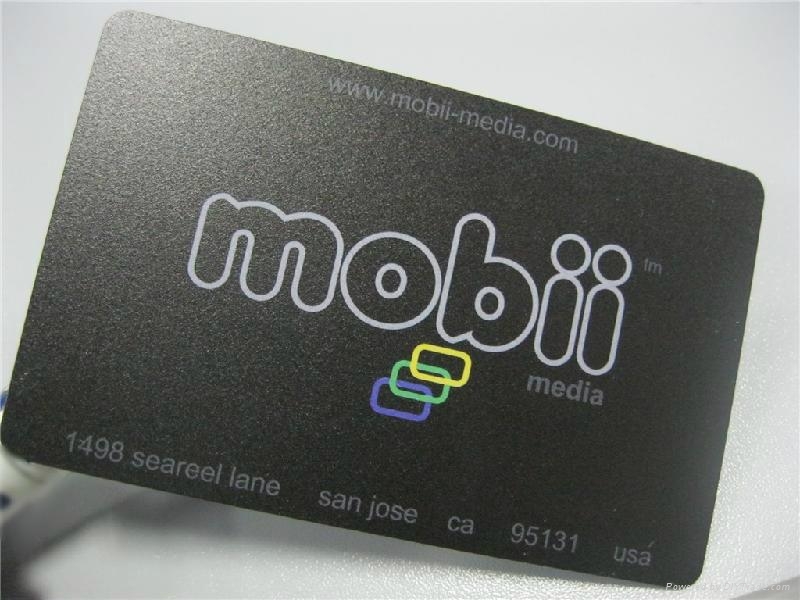
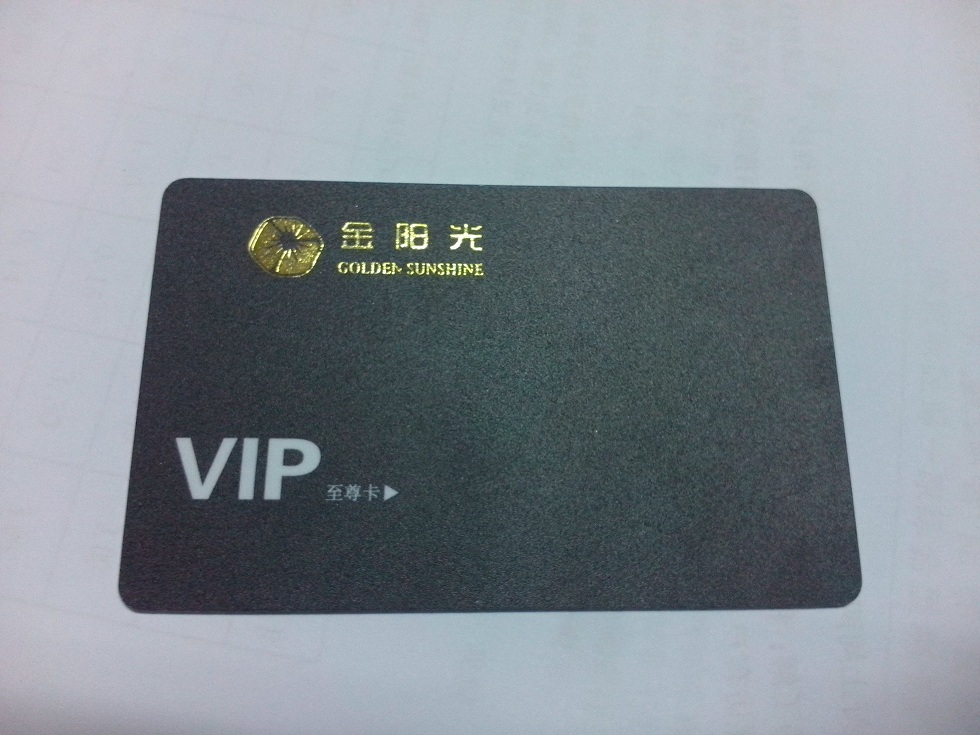
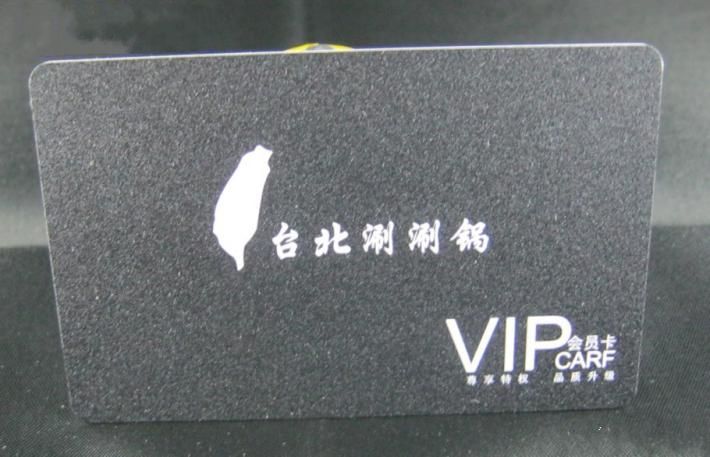
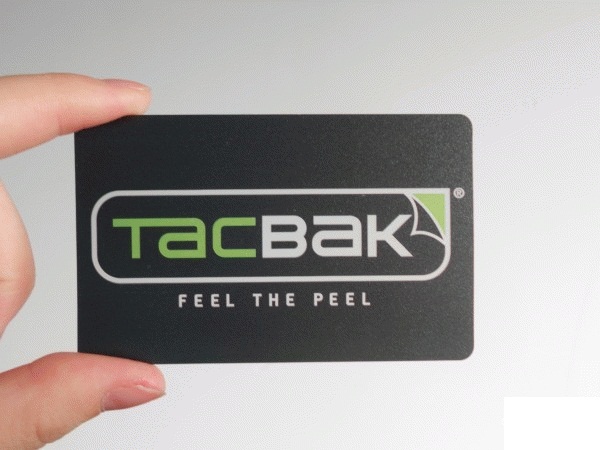
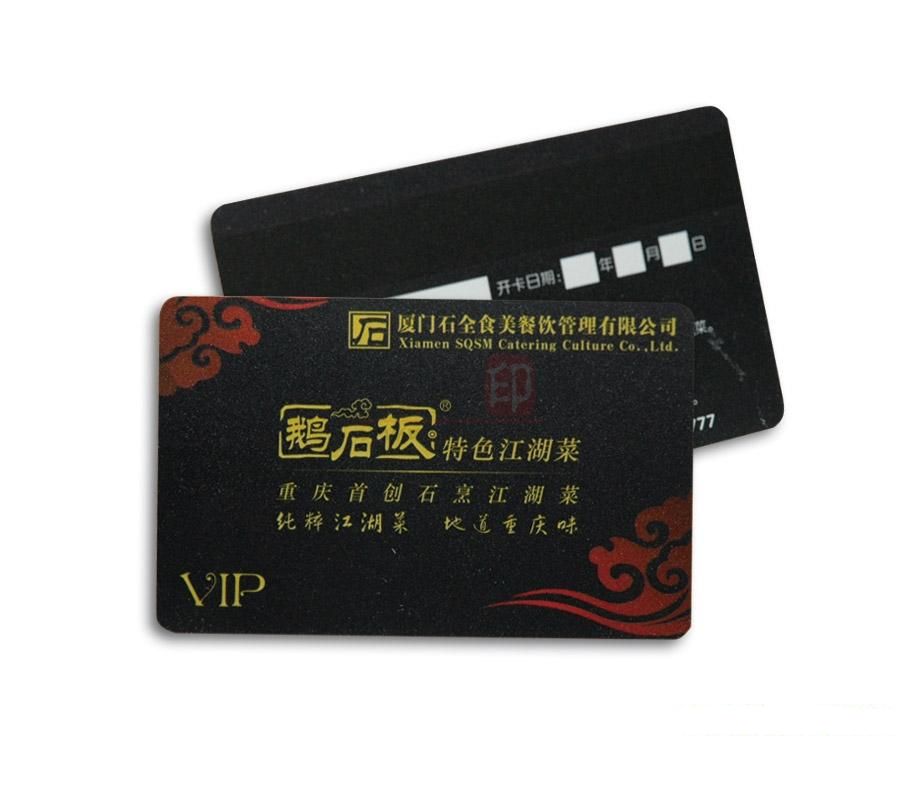
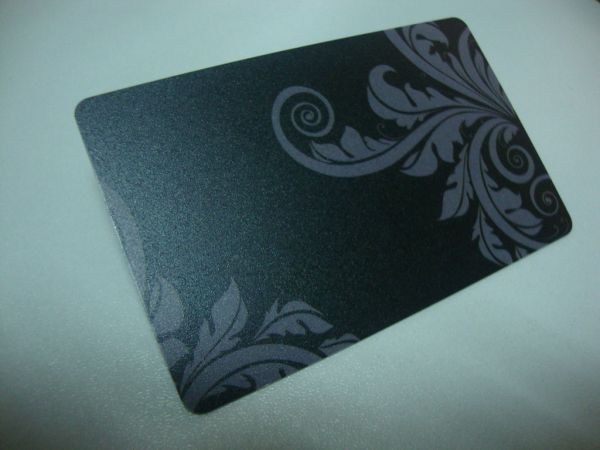
Matte cards refer to cards whose surfaces are treated with a matte finish. This process is generally called matte cards, and the surface of matte cards usually appears as matte grains, giving a rough feel
.jpg)
Card productionThe old station was relocatedB2B procurement
Matte cards refer to cards whose surfaces are treated with a matte finish, which is generally called frosted cards. The surface of matte cards usually appears as matte grains, giving a rough feel. This roughness actually makes the card look high-end and grand. So, how are frosted cards printed, and what precautions should be taken? First, let me talk about the printing of matte cards. Before surface treatment, matte cards are no different from regular cards, but during lamination, this step can directly determine whether your card is matte or normal.
The printing process for frosted cards is as follows:
1. Printing
2. Imposition printing
3. Lamination (this step can decide whether to make a frosted card)
4. Lamination
5. Special processes
6. Quality inspection and shipment
Matte cards can be produced through these steps. They look very solid, scratch-resistant, dirt-resistant, and durable, making them suitable for darker designs. Similarly, frosted cards also have some points to pay attention to, and if you neglect these areas, they can lead to irreparable losses.
1. Frosted cards must not be flattened
This is because the surface of frosted cards is uneven, while the print head for flat labeling is flat. When the print head passes over the matte card's surface, damage caused by the uneven card can cause very high damage, so frosted cards are prohibited from flat labeling.
Of course, aside from the points to note above, other matte card processes are fine. Here, I'll just mention the other processes that can be used for frosted cards, aside from the ones mentioned above
1. The thickness of the frosted card ranges from 0.30mm to 0.76mm, and can also be made in other thicknesses;
2. The standard size of frosted cards is 85.5mm x 54mm, with filed corners. It can also be made in other sizes;
3. Matte cards can be printed on either single or double sides, using screen printing or offset printing (CMYK four-color printing);
4. Frosted cards can be added with signature notes or writing boards (areas where manual writing is allowed);
5. Matte cards can be fitted with low-density or high-density magnetic strips according to customer requirements;
6. Frosted cards can be embossed, with gold or silver stamping on the embossed marks;
7. You can punch round or strip holes in the frosted card;
8. Scratch strips can be sprayed on frosted cards and scraped on shoes;
9. The numbers on the frosted cards can be arranged sequentially, or personalized or irregular numbers can be used;
10. Matte cards can be made into square, round, or any other irregular shape;
11. The background color of the frosted card can be made in imitation gold or imitation silver;
12. You can stamp the matte card with gold or silver color;
Submit specifications to get a quoteThe printing process for frosted cards is as follows:
1. Printing
2. Imposition printing
3. Lamination (this step can decide whether to make a frosted card)
4. Lamination
5. Special processes
6. Quality inspection and shipment
Matte cards can be produced through these steps. They look very solid, scratch-resistant, dirt-resistant, and durable, making them suitable for darker designs. Similarly, frosted cards also have some points to pay attention to, and if you neglect these areas, they can lead to irreparable losses.
1. Frosted cards must not be flattened
This is because the surface of frosted cards is uneven, while the print head for flat labeling is flat. When the print head passes over the matte card's surface, damage caused by the uneven card can cause very high damage, so frosted cards are prohibited from flat labeling.
Of course, aside from the points to note above, other matte card processes are fine. Here, I'll just mention the other processes that can be used for frosted cards, aside from the ones mentioned above
1. The thickness of the frosted card ranges from 0.30mm to 0.76mm, and can also be made in other thicknesses;
2. The standard size of frosted cards is 85.5mm x 54mm, with filed corners. It can also be made in other sizes;
3. Matte cards can be printed on either single or double sides, using screen printing or offset printing (CMYK four-color printing);
4. Frosted cards can be added with signature notes or writing boards (areas where manual writing is allowed);
5. Matte cards can be fitted with low-density or high-density magnetic strips according to customer requirements;
6. Frosted cards can be embossed, with gold or silver stamping on the embossed marks;
7. You can punch round or strip holes in the frosted card;
8. Scratch strips can be sprayed on frosted cards and scraped on shoes;
9. The numbers on the frosted cards can be arranged sequentially, or personalized or irregular numbers can be used;
10. Matte cards can be made into square, round, or any other irregular shape;
11. The background color of the frosted card can be made in imitation gold or imitation silver;
12. You can stamp the matte card with gold or silver color;
13. Matte cards can use transparent matte materials, matte transparent materials, or fully transparent materials.
If necessary,Frosted card printing and productionYou can contact us at the top of our website
Request a quote
Get a quote plan
Just state your usage scenario and we can provide you with a quote! Thank you for your cooperation!