
RFID book tags
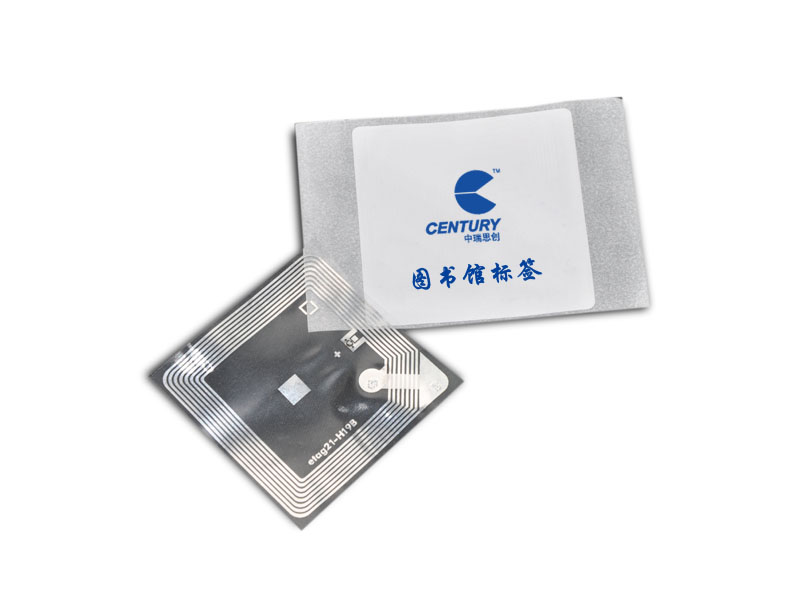
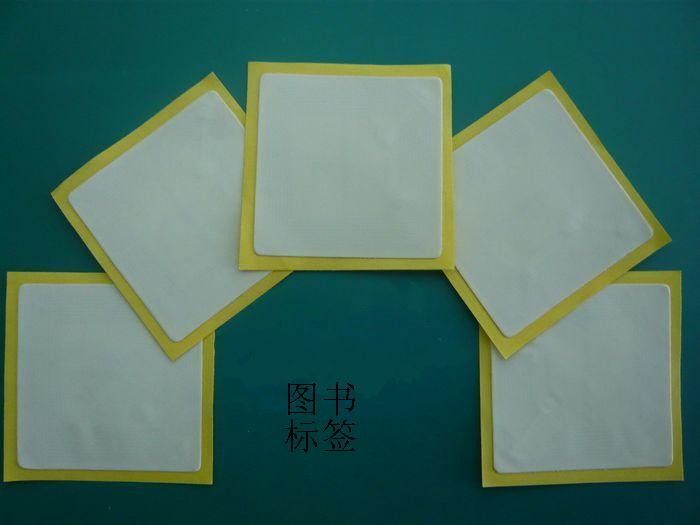
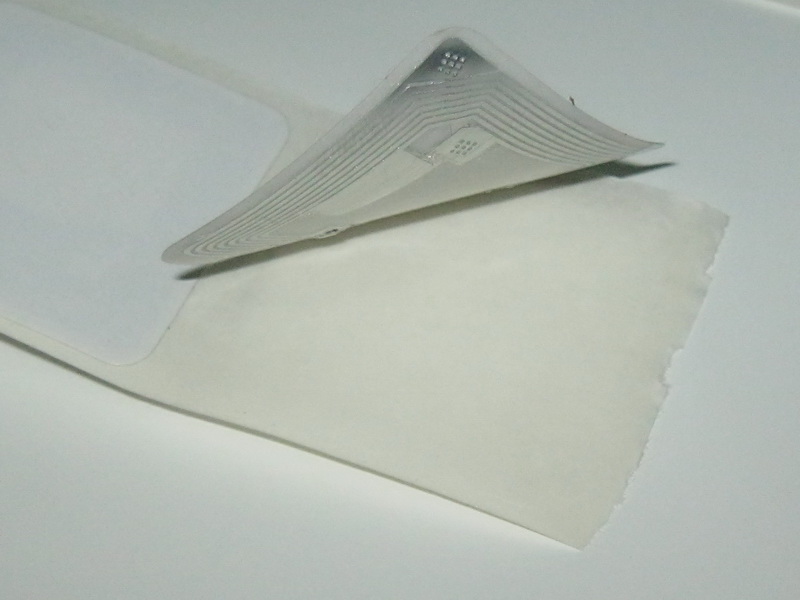
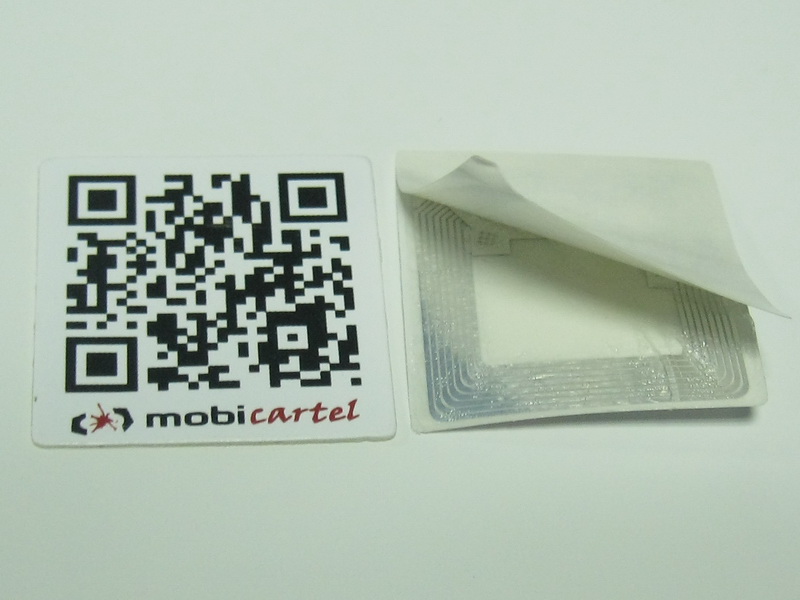
RFID book tags are mainly intelligent labels used for library books. By attaching these tags to each book, they help staff achieve the function of reading multiple targets at once.
.jpg)
RFID electronic tag productionThe old station was relocatedB2B procurement
Introduction to RFID book tags
RFID book tags are mainly intelligent labels used for library books. By attaching these tags to each book, they help staff achieve the function of reading multiple targets at once, importing the information they read into the book system, enabling self-service book return and automatic sorting. RFID book tags can save a significant amount of manpower and resources. Simply align the laser scanning device with the label and scan it lightly, and all scanned information will be displayed, such as the book's title, author, price, borrower, and other detailed details.
Attributes of RFID book tags
1: Common size: 50x50mm
2: Substrate material: PET
3: Encapsulation materials: adhesive or others
4: Antenna material: aluminum etching
5: Operating temperature: -25°C~+75°C
6: Storage temperature: -40°C~+80°C
7: Operating frequency: 13:56MHz
8: Standard: ISO15693
9: Chipset: NXP ICODE SLI, S50, F08, Ucode G2
10: Memory: 1024-bit
11: Operating mode; Readable and writable
12: Service life: > 10 years
13: Read/write count: 100,000
14: Read/write distance: approximately 10~100cm (depending on working environment and reader model)
Features of RFID book tags
The development of RFID technology has enabled very thin and tiny chips to be embedded in adhesive labels, which can be easily fixed to books. Combined with library information systems, this development offers excellent opportunities to create digital and automated libraries.
1. RFID book tags are stable and reliable, can be used for over 10 years, and are not affected by temperature or light. Even if the tag is dirty or its surface is worn, it will not affect usage.
2. Both the system's front-end products and software have good learnability and operability. Especially its operability (convenience) allows managers with basic computer skills to master the key points of system operation through simple learning, reaching the level to complete duty tasks.
3. High-quality and large-capacity chip data storage space can store information from every book. This data can be read and written within a range of 0.05 meters to 1.2 meters without direct contact or visual contact.
RFID book tags can enter information
1. The number of each book, abbreviated as ID number;
2. Relevant information about the book, such as call number, title, etc.;
3. Library identity information to which the book belongs; For example: this book belongs to the XXX Library
4. Information about the bookshelf where the book is stored;
5. Information about the borrower;
6. The borrower's borrowing date;
7. There are even more content;
Other features of RFID book tags
1: Tag Reading and Writing EEPROM data from a single tag memory takes about 1.4 ms on average every 32 bits; On average, the minimum write time is 30ms per 32 bits
Submit specifications to get a quoteRFID book tags are mainly intelligent labels used for library books. By attaching these tags to each book, they help staff achieve the function of reading multiple targets at once, importing the information they read into the book system, enabling self-service book return and automatic sorting. RFID book tags can save a significant amount of manpower and resources. Simply align the laser scanning device with the label and scan it lightly, and all scanned information will be displayed, such as the book's title, author, price, borrower, and other detailed details.
Attributes of RFID book tags
1: Common size: 50x50mm
2: Substrate material: PET
3: Encapsulation materials: adhesive or others
4: Antenna material: aluminum etching
5: Operating temperature: -25°C~+75°C
6: Storage temperature: -40°C~+80°C
7: Operating frequency: 13:56MHz
8: Standard: ISO15693
9: Chipset: NXP ICODE SLI, S50, F08, Ucode G2
10: Memory: 1024-bit
11: Operating mode; Readable and writable
12: Service life: > 10 years
13: Read/write count: 100,000
14: Read/write distance: approximately 10~100cm (depending on working environment and reader model)
Features of RFID book tags
The development of RFID technology has enabled very thin and tiny chips to be embedded in adhesive labels, which can be easily fixed to books. Combined with library information systems, this development offers excellent opportunities to create digital and automated libraries.
1. RFID book tags are stable and reliable, can be used for over 10 years, and are not affected by temperature or light. Even if the tag is dirty or its surface is worn, it will not affect usage.
2. Both the system's front-end products and software have good learnability and operability. Especially its operability (convenience) allows managers with basic computer skills to master the key points of system operation through simple learning, reaching the level to complete duty tasks.
3. High-quality and large-capacity chip data storage space can store information from every book. This data can be read and written within a range of 0.05 meters to 1.2 meters without direct contact or visual contact.
RFID book tags can enter information
1. The number of each book, abbreviated as ID number;
2. Relevant information about the book, such as call number, title, etc.;
3. Library identity information to which the book belongs; For example: this book belongs to the XXX Library
4. Information about the bookshelf where the book is stored;
5. Information about the borrower;
6. The borrower's borrowing date;
7. There are even more content;
Other features of RFID book tags
1: Tag Reading and Writing EEPROM data from a single tag memory takes about 1.4 ms on average every 32 bits; On average, the minimum write time is 30ms per 32 bits
2: Tag anti-interference performance: Uses anti-collision communication protocol; An effective binary tree collision prevention mechanism is not limited or affected by the number of tags in the workspace, and can effectively read more than 50 labels per second.
Request a quote
Get a quote plan
Just state your usage scenario and we can provide you with a quote! Thank you for your cooperation!