
Ntag203 chip, Ntag203 tag, NFC Ntag203
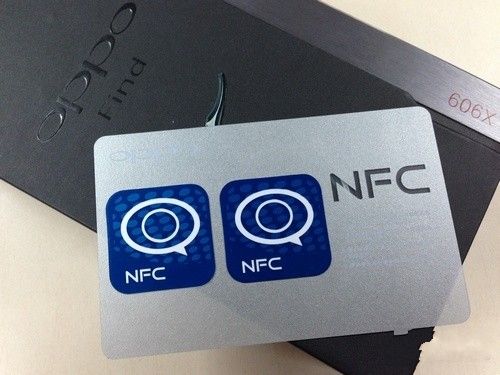
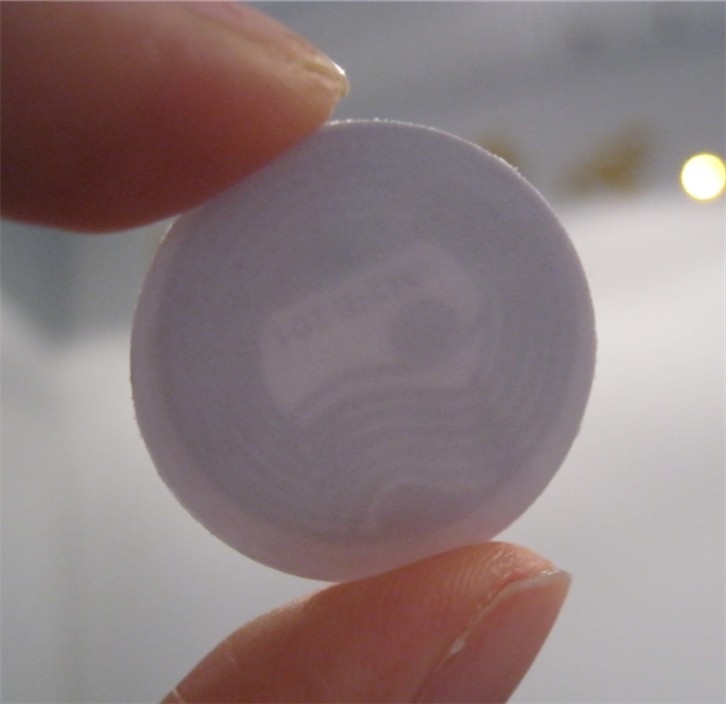
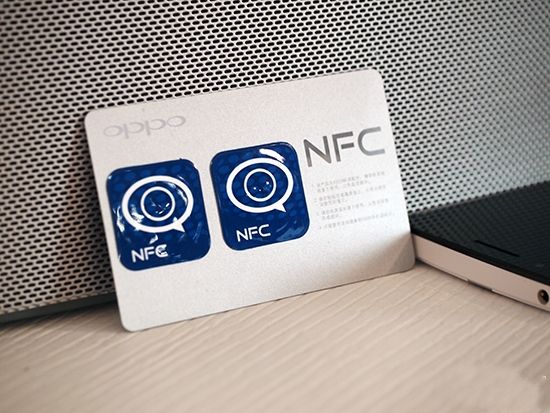
Ntag203 refers to a type of chip used in NFC. Its model is Ntag203. NFC is a type of RFID technology that evolved from RFID technology. NFC, also known as Near-Field Communication Protocol, is a short-range, high-frequency radio technology operating at 13.56MHz within a 20-centimeter range. Its transmission speed comes in three options: 106 Kbit/s, 212 Kbit/s, or 424 Kbit/s. NFC supports both active and passive reading modes.
.jpg)
Introduction to the Ntag203 tag
Ntag203 refers to a type of chip used in NFC. Its model is Ntag203. NFC is a type of RFID technology that evolved from RFID technology. NFC, also known as Near-Field Communication Protocol, is a short-range, high-frequency radio technology operating at 13.56MHz within a 20-centimeter range. Its transmission speed comes in three options: 106 Kbit/s, 212 Kbit/s, or 424 Kbit/s. NFC supports both active and passive reading modes.
Functions and application scope of the Ntag203 tag
The Ntag203 tag functions are mainly used for payment and ticket purchase, electronic tickets, smart media, and for exchanging and transmitting data
The Ntag203 can be applied to mobile phones, turnstiles, vending machines, membership promotion systems, metered parking spaces, electronic payments, mobile payments, and more.
Performance attributes of the Ntag203 tag
1. Operating frequency: 13.56MHz
2. Standard: 14443A standard, 168 BYTES memory
3. Reading and writing count: 10,000 times
4. Service life: 5 years
5. Sizes: 25MM, 30MM, 45*45MM, or customized according to customer requirements
6. Thickness: 0.3 mm - 0.8 mm (excluding release paper layer)
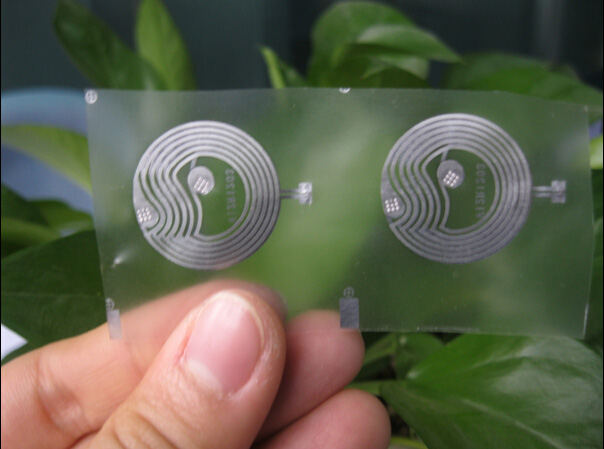
7. Subtract material forwarding: PET + AL antenna
8. Antenna: Aluminum etching thickness 0.03 mm,
9. Reading range: 1-15 CM, depending on the size of the reader and tag antenna.
10. Operating temperature: -25°C + 55°C
11. Storage temperature: -25°C + 65°C
12. Additional processes: four-color, monochrome printing, barcodes, washed codes, UID internal codes, URL writing, laser, adding absorbing materials (0.1-0.5MM), etc.
NFC specifies the type of tag
Type 1: Based on ISO14443A, currently exclusively supplied by Innovision Research and Technology (TopazTM), featuring 96 bytes of memory, low cost, and wide application.
Type 2: Also based on ISO14443A, currently exclusively supplied by Philips (Mifare UltraLight), memory is half that of Class 1 labels.
Type 3: Based on FeliCa, currently exclusively supplied by Sony, featuring larger memory (currently 2000 bytes) and higher transfer rates (212KB per second), suitable for more complex applications.
Type 4: Fully compatible with ISO14443A/B, produced by many manufacturers, including Philips (typical products like Mifare Desfire). It has larger memory, with read speeds ranging from 106KB to 424KB per second, suitable for various applications.
It is worth noting that the memory of Category 1 and Category 2 tags differs greatly from that of Category 3 and Category 4 tags, thus forming two major categories. There is basically no overlap among various possible application types.
Detailed explanation of NFC tags
NFC, jointly developed by Philips and Sony, is a contactless identification and connectivity technology that enables short-range wireless communication between mobile devices, consumer electronics, PCs, and smart control tools. NFC offers a simple, touch-based solution that allows consumers to exchange information and access content and services easily and intuitively. NFC integrates contactless card readers, contactless cards, and peer-to-peer functions into a single chip, opening countless new opportunities for consumers' lifestyles. This is an open interface platform that enables fast and proactive wireless network configuration, and also serves as a virtual connector for existing cellular networks, Bluetooth, and wireless 802.11 devices. NFC is low-cost, easy to use, and more intuitive, giving it greater potential in certain fields—NFC can communicate various devices within a few centimeters by combining a chip, an antenna, and some software, all at a cost of only 2 to 3 euros. NFC has a relatively low data transmission rate, only 212 Kbps, making it unsuitable for applications requiring high bandwidth, such as audio and video streaming.
Moreover, the Chinese government is developing its own RFID standards, and whether Philips' NFC technology is fully compatible and recognized by the Chinese government is very important for consumers. RFID (Radio Frequency Identification), commonly known as electronic tags. A complete RFID system consists of three parts: the reader, the electronic tag (TAG), the transponder, and the application software system. The Reader emits radio wave energy at a specific frequency to the Transponder, driving the Transponder circuit to send out internal data. At this point, the Reader sequentially receives and interprets the data and sends it to the application for processing. To promote the development and adoption of NFC, Philips, Sony, and Nokia have established a non-profit industry association—the NFC Forum—to promote the implementation and standardization of NFC technology, ensuring collaboration between devices and services. Currently, the NFC Forum has more than 70 members worldwide, including: Mastercard International, Panasonic Electronics Industries, Microsoft, Motorola, NEC, Renesas Technologies, Samsung, Texas Instruments Manufacturing, and Visa International. Recently, Google has also abandoned part of its QR code business, turning to NFC forums and becoming its new member.
Get a quote plan
Just state your usage scenario and we can provide you with a quote! Thank you for your cooperation!