Ultralight labels, Ultralight chips, Ultralight-C tags
Ultralight can simply be called UL. It is a chip in NXP's Mifare series and also serves as an NFC tag. Ultralight-C is an upgraded version of Ultralight. So, what are the differences between them? Sotai
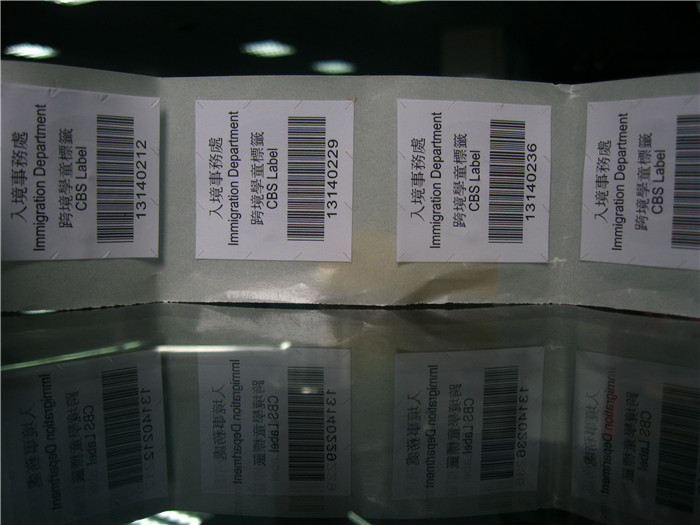
Ultralight can simply be called UL; it is a chip in NXP's Mifare seriesNFC tagUltralight-C is an upgraded version of Ultralight, so what are the differences between them?
Ultralight's performance is as follows:
Byte size: 64 bytes
There are several memory partitions: 32
Erase and write count: 10,000 times
Data retention period: 5 years
Structure: 16 pages, 4 bytes per page
Compliant protocol: 14443A
MHz frequency: 13.56MB/MHz
Baud rate [kilobits/second]: 106 kbit/s
Collision protection: Yes
Working distance: up to 100MM
The performance of Ultralight-C is as follows:
Byte size: 192 bytes
There are several memory partitions: 32
Erase and write count: 10,000 times
Data retention period: 5 years
Structure: 48 pages, 4 bytes per page
Compliant protocol: 14443A
MHz frequency: 13.56MB/MHz
Baud rate [kilobits/second]: 106 kbit/s
Collision protection: Yes
Working distance: up to 100MM
From this, it's clear that the Ultralight-C is larger in byte size and structure than the Ultralight. The Ultralight-C is 192 bytes, while the Ultralight only has 64 bytes. Of course, the price is definitely higher than the Ultralight. When this chip is used for tags, it is generally used for tickets, among othersVariable frequency power supplyThe biggest reason is that it is also an NFC tag, a Type 2 internal type of NFC chip, but it is much cheaper than other NFC chip models, so its cost-performance ratio is relatively high.
The benefits of the Ultralight chip are as follows:
1: Collision protection
An intelligent collision prevention function allows simultaneous multi-card operation.
2: Unique Identifier (UID)
The collision protection function is based on an IC unique identifier called a Unique Identifier (UID) on each IC chip, which contains 7 bytes and supports ISO/IEC
3: Safety
7-byte UID and ISO/IEC are unique to each chip, with 32-bit user-defined one-time programmable (OTP) regions
Webpages with on-site programmable read-only locking functionality
4: Diverse packaging forms
Ultralight can provide styles such as packaging, cards, labels, and wafers.
5: Typical application features and advantages
Typical ticket processing time is less than 35 milliseconds
Fast counter transaction time is less than 10 milliseconds
Get a quote plan
Just state your usage scenario and we can provide you with a quote! Thank you for your cooperation!