
Cafeteria dining card / smart dining card
A dining card is a type of card issued by enterprises, organizations, or schools to relevant personnel during meals. The usage of the card is very simple; cardholders only need to swipe their card in a designated sensing area to complete the dining process.
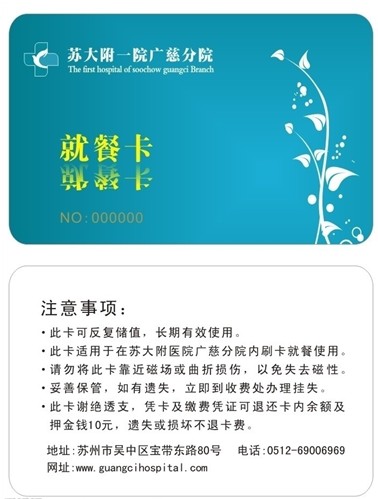
Overview of the dining card:
A dining card is a type of card issued by enterprises, organizations, or schools to relevant personnel during meals. The usage of the card is very simple; cardholders only need to swipe their card in a designated sensing area to complete the dining process.
Benefits of dining cards:
Dining cards can solve the problem of having no change, which often leads to small change during meals. Using a dining card can effectively solve this problem—just a small dining card can solve the problem of large amounts of change.
Scope of application of dining cards:
School dining cards, cafeteria dining cards, corporate dining cards, company dining cards, employee dining cards, staff dining cards, individual dining cards, group dining cards, fast food dining cards, and so on.
Currently, cafeteria dining cards can be packaged with various types of chips, commonly IC chips and ID chips. Currently, our company offers the following cafeteria dining card chips:
1. IC chips include: F08, S50, S70, IISI, 4439, 4442, 4428, 4412, 24C series chips;
2. ID chips include: domestic TK4100, IDUA1001, EM4100, low-frequency T5577, and other chips.
How the dining card works:
The system consists of a card, a card reader, and a backend controller. The work process is as follows:
The card reader sends the carrier signal outward via the antenna; After the card enters the reader's working area, a resonant circuit composed of inductive coils and capacitors receives the carrier signal sent by the card reader. The RF interface module of the chip generates the power voltage, reset signal, and system clock from these signals to "activate" the chip; The chip read control module encodes the data in memory through phase modulation, modulates it onto the carrier, and sends it back to the card reader via the card's internal antenna; The card reader demodulates and decodes the received card return signal and sends it to the backend computer; The backend computer handles and controls different applications based on the validity of the card number.
Dining Card Security:
1. The dining card is anti-magnetic, anti-static, resistant to mechanical damage, and chemical damage, with a long information retention period and tens of thousands of read/write cycles.
2. Long service life, can be recharged repeatedly.
3. Dining cards have data processing capabilities. When exchanging data with the card reader, the data can be encrypted and decrypted to ensure the accuracy and reliability of the exchanged data; Magnetic cards, however, do not have this feature.
4. Good security and confidentiality, not easily copied. Information on the dining card can be read, modified, or erased at will, but a password is required.
5. Large storage capacity. The storage capacity of the magnetic card is about 200 characters; The storage capacity of dining cards varies by model, ranging from a few hundred characters in small ones to over a million characters in large ones.
Get a quote plan
Just state your usage scenario and we can provide you with a quote! Thank you for your cooperation!